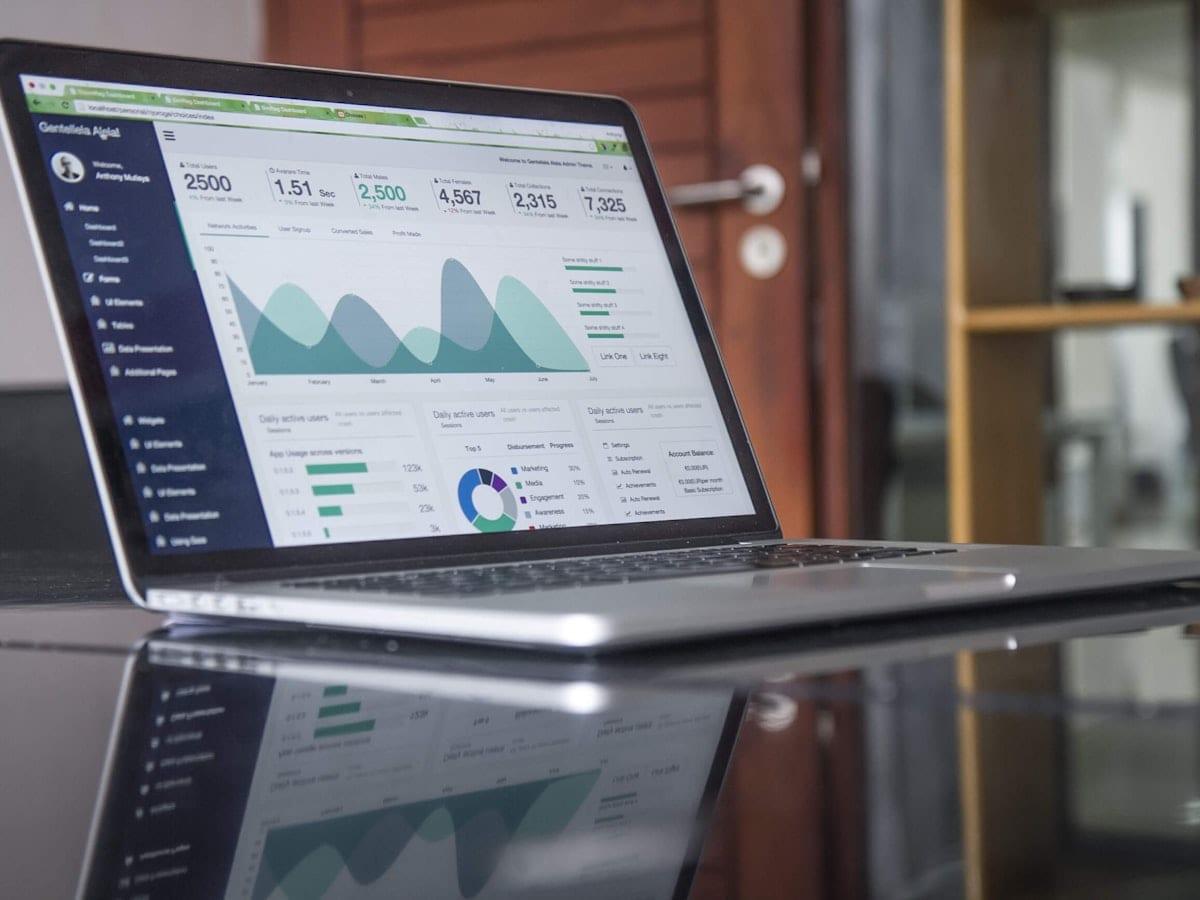
Every quarter, somewhere inside a mid-sized firm, someone commissions a dashboard. It will be beautiful. It will be filterable. It will be linked from the wiki. Three weeks after launch, only the analyst who built it will be opening it.
This is not a failure of dashboards. This is the part of operations work where push beats pull, and most teams have not internalized it yet.
01. Dashboards reward curiosity. Operations reward action.
A dashboard is a great tool when the user wants to explore. They have a question they cannot phrase yet. They open the dashboard, slice it, drill into a panel, and leave with something they did not have before.
Operations is rarely curious. The operations question is: is anything wrong, and what do I do about it? That question does not need a dashboard. It needs a notification — the right one, in the right channel, with the right next step pre-loaded.
The dashboards that survive in operations are the ones that exist because a notification fired, and someone needs to investigate. The ones that wither are the ones that exist as if someone is going to remember to look.
02. The push pattern, in three shapes
In operations, the same three push patterns reliably outperform a dashboard:
- The conditional alert. A nightly job runs. If a number is outside a band, a Slack message appears. If not, silence. The user never has to remember to check.
- The "this happened" message. A specific event the team cares about — a contract expiring, a customer cancelling, a margin dropping below a threshold — fires a message in the channel where that team already lives.
- The scheduled digest. Every morning at 8:30, a brief lands in the same place. The same shape. The same five sections. It becomes part of the morning the way coffee does.
None of these are exotic. None of them require ML. All of them get more usage than the average dashboard, because they meet the user in the channel they are already in.
The interface that wins is the one that finds you. Dashboards make you find them. That is the bug. — working note
03. When a dashboard is right
We are not anti-dashboard. Dashboards are right when:
- The user is exploring, not monitoring.
- The user is expert — they know how to read the chart and to ignore the noise.
- The user has already been prompted to look — usually by an alert that pushed them there.
The third one is the key. The dashboard is rarely the system of record for "what to do next." It is the system of record for "let me understand what this alert means." That is a smaller, more specific job than most dashboards are scoped for.
04. The cheap experiment
If you are about to build a dashboard, run this experiment first: send the headline number, daily, to the team channel. One number. One sentence. Maybe a small chart inline.
Run it for two weeks. If people react to it — discuss it, ask follow-ups, change behavior — you have learned what to put in the dashboard, and the dashboard has earned the right to exist. If they ignore it, you have just saved yourself the cost of building something nobody would have opened either.
A short closing
The most useful AI features in operations are not assistants and not dashboards. They are the small, well-aimed messages that arrive in the channel you are already in, with the right context attached, when something is worth knowing.
Build those first. The dashboard, if it is needed, will earn its way in afterwards.