Nova Ekonomija, Serbia's independent business monthly, featured MeteorIT in its July 2026 print issue (No. 132). Journalist Ana Krajnc interviewed our co-founder and Process Diagnostics Director, Helena Ivanov, under a headline we would have chosen ourselves: waiting for the AI bubble to burst is the most expensive strategy.
The full piece is on Nova Ekonomija's site: „Čekati da AI balon pukne najskuplja je strategija" (in Serbian).
01. The bubble question is the wrong question
Every second conversation about AI in Serbia eventually arrives at the same place: isn't this all a bubble? The interview takes that question seriously and then sets it aside. Whether valuations are inflated is a question for investors. The technology underneath is not going anywhere — the same way the internet did not go anywhere after 2000. Companies that spent the dot-com winter learning how to use the web came out of it ahead of the ones that waited for a verdict.
The argument in the piece is that the local version of waiting — "let's see how this plays out" — has a price that compounds monthly. Not a hypothetical one. A measurable one.
02. An hour a day, multiplied
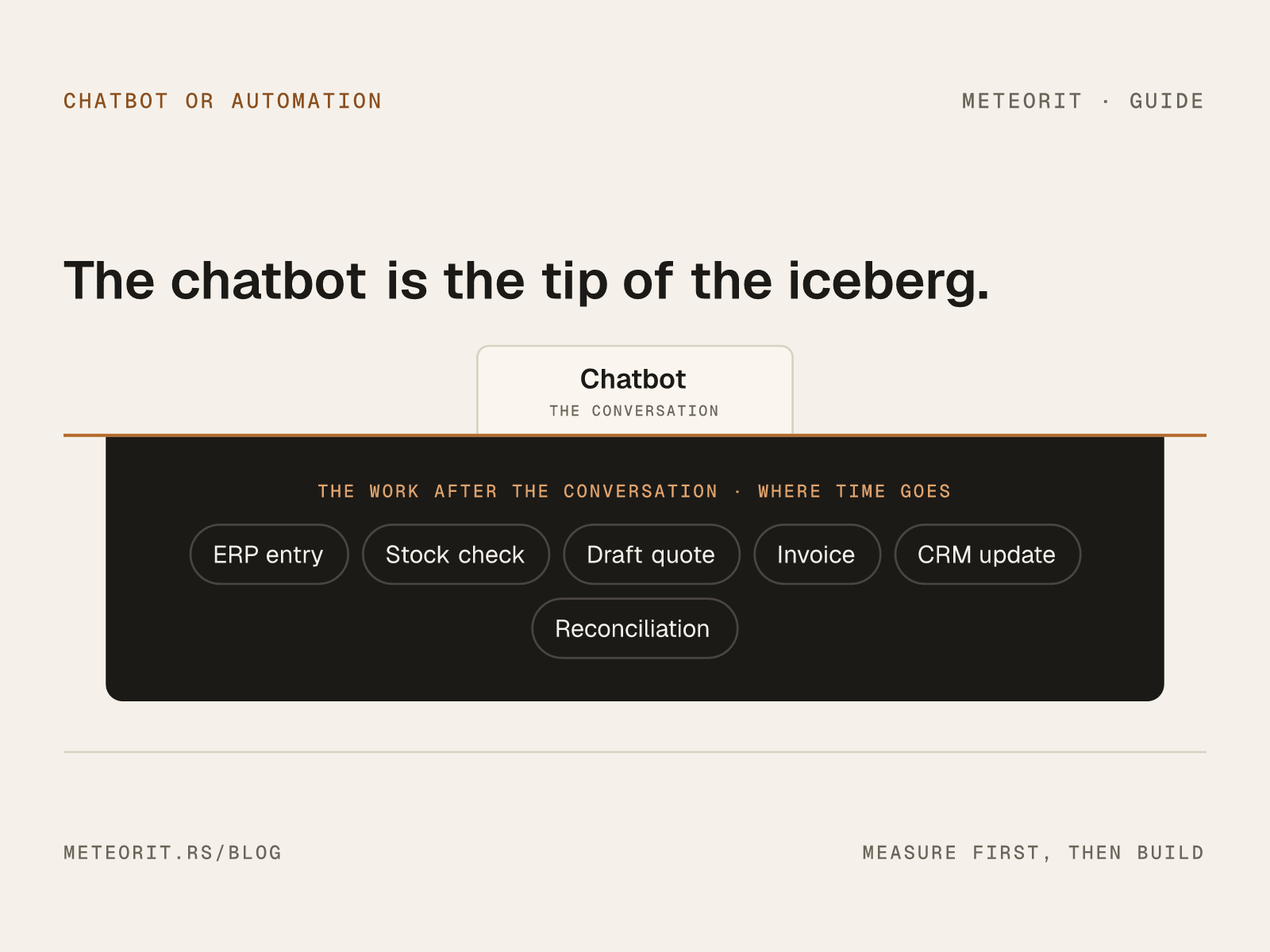
The arithmetic Helena walks through in the interview is the one we run at the start of every diagnostic. Take one hour of repetitive work per employee per day — drafting the same emails, retyping data between systems, assembling the same weekly report. Multiply by the number of employees and by working days. For most mid-size Serbian firms the result lands in the tens of thousands of euros a year. One client cited in the piece, a company of twelve, ended up saving roughly €25,000 annually.
That number is not produced by buying software licences. As Helena puts it in the interview:
Većina koristi AI kao malo bolju verziju Google pretrage. — Helena Ivanov, for Nova Ekonomija
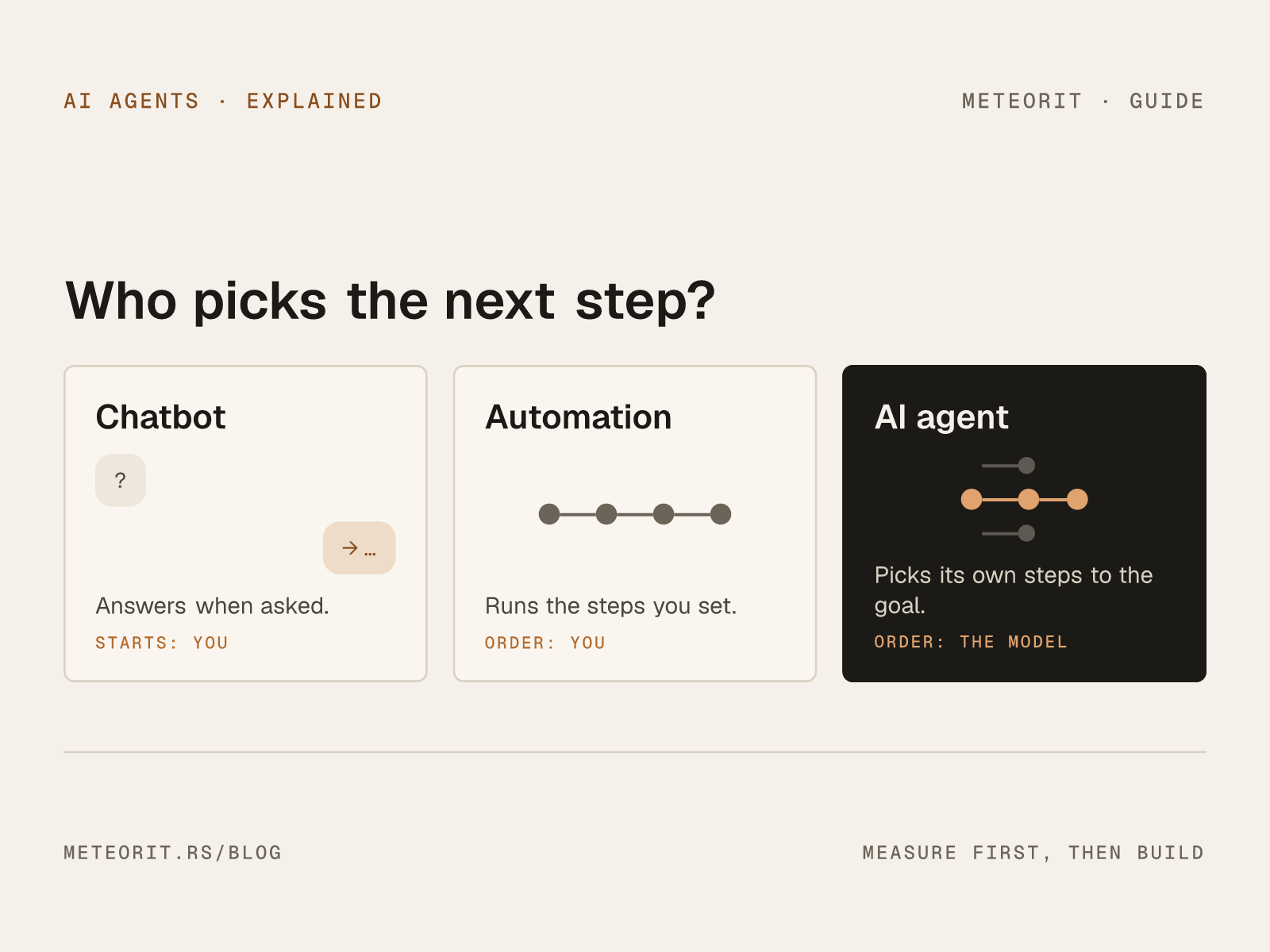
Most companies, in other words, use AI as a slightly better search engine — and leave the actual gains, the redesigned workflows, on the table.
03. Diagnosis before technology
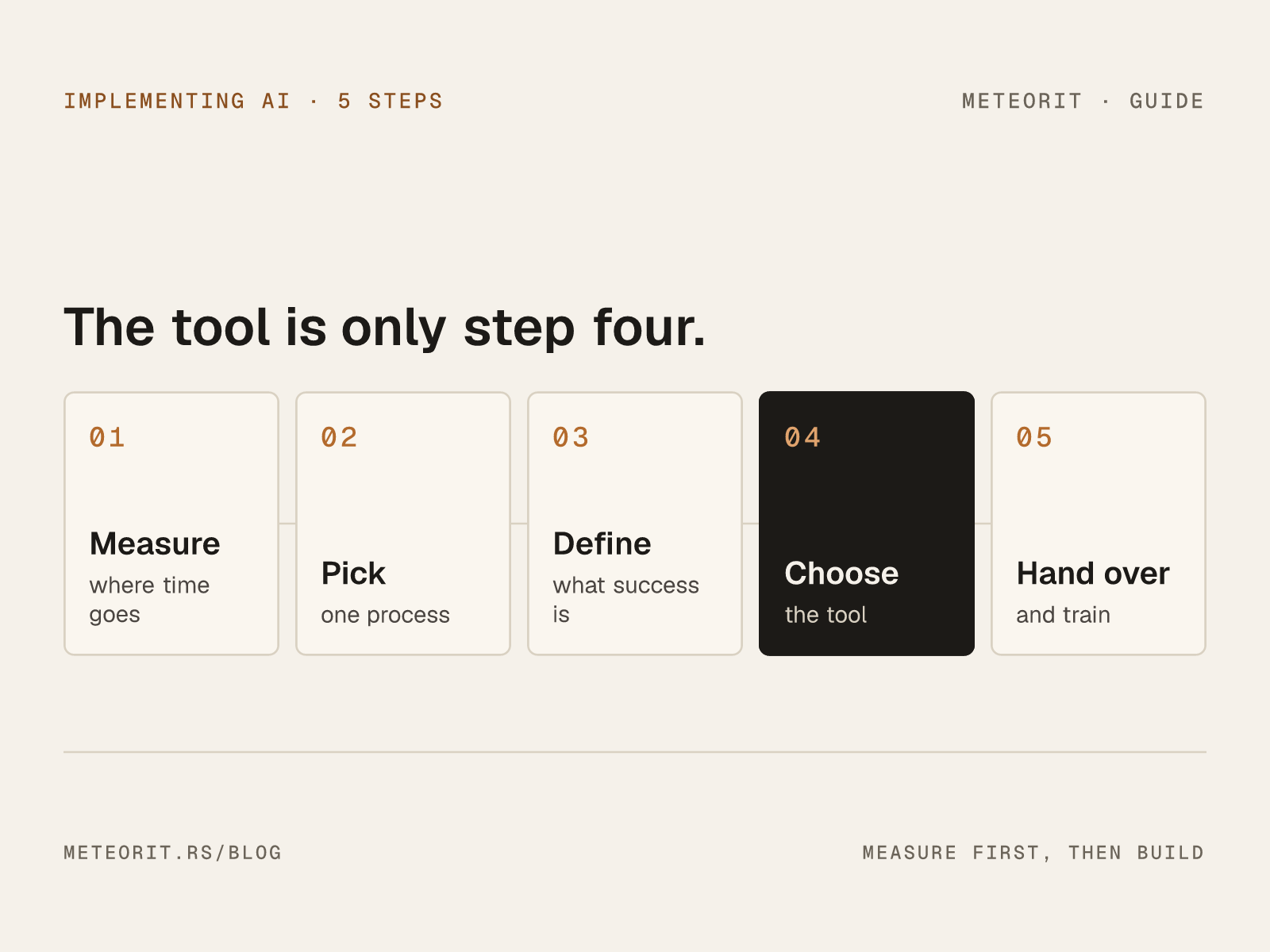
The part of the conversation we care most about is the method. AI adoption is organisational change, not a procurement decision. Our engagements start with two to three weeks inside the business, mapping where time and money actually leak, before any technology is proposed. Sometimes the honest answer is that a process needs a simpler fix, not a model. The interview says so plainly — AI is not universally applicable, and a consultant who never says "you don't need this" is selling something other than advice.
Our thanks to Ana Krajnc and Nova Ekonomija for the conversation. If the hour-a-day arithmetic sounds familiar from the inside of your own company, that diagnostic is where we always start.